
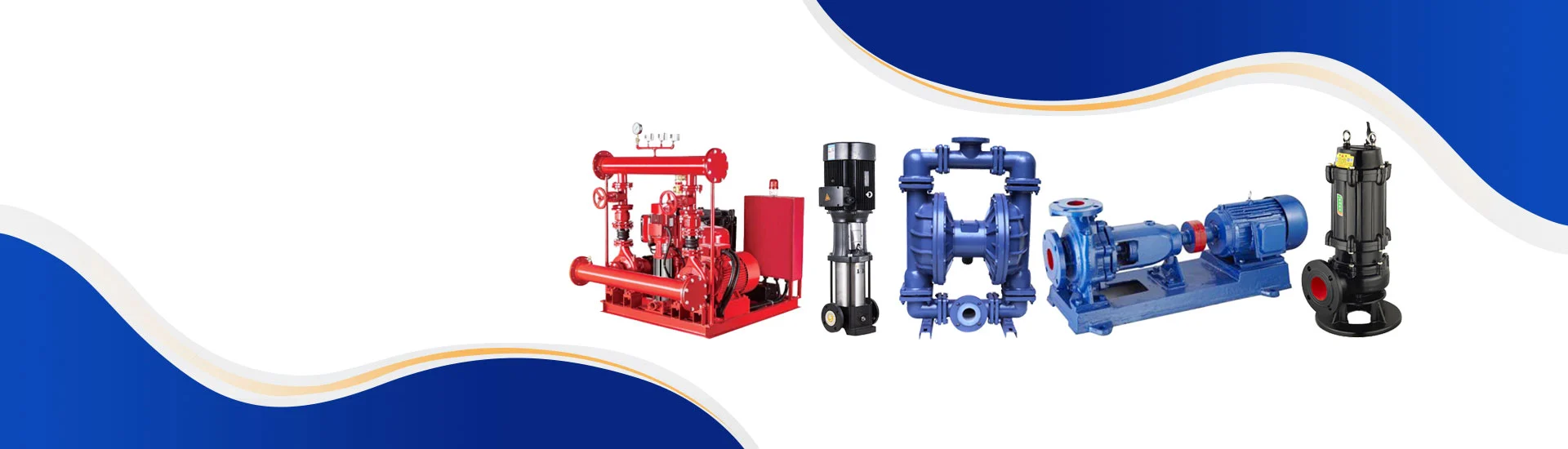
The correct usage method of centrifugal pumps
Centrifugal pumps are widely used across various industries due to their ability to efficiently transport fluids. Priming is a crucial step to ensure optimal performance and longevity. This article discusses the importance of priming, basic steps, and common pitfalls.
How Centrifugal Pumps Work
A centrifugal pump converts mechanical energy into fluid kinetic energy through a rotating impeller, then transforms that kinetic energy into pressure energy via the pump casing. Its performance is influenced by factors such as flow rate, head, and efficiency. Understanding these is essential for effective priming.
Importance of Priming
Priming removes air from the pump and suction line to create a vacuum. If air remains, it can cause cavitation, damaging the impeller and other components. It may also reduce flow rate and pressure, impair system performance, and lead to overheating and premature failure.
Priming Steps
Preparation: Ensure proper pump installation, clear suction lines without leaks, and close all valves except the discharge valve.
Self-priming Pump Priming:
1.Fill the pump casing and suction line with the fluid to be pumped.
2.Open the vent valve to release trapped air.
3.Start the pump and let it run for several minutes to expel any remaining air automatically.
4.Once running smoothly, close the vent valve and adjust the discharge valve as needed.
Non-self-priming Pump Priming (requires additional steps):
After filling the casing and venting, use a vacuum pump or siphon to create a vacuum in the suction line before starting the pump.
Common Mistakes
1.Failing to check for line leaks, allowing air ingress.
2.Overfilling the pump casing, which may cause overflow and damage.
3.Using incorrect fluid, affecting pump performance and lifespan.
4.Rushing the priming process without sufficient air removal.
Conclusion
Proper priming is key to ensuring efficient and reliable operation of centrifugal pumps. Following correct procedures, avoiding common errors, and combining with regular maintenance can effectively extend the pump's service life.