
What Makes A Submersible Sewage Pump Ideal for City Planning Projects
Introduction
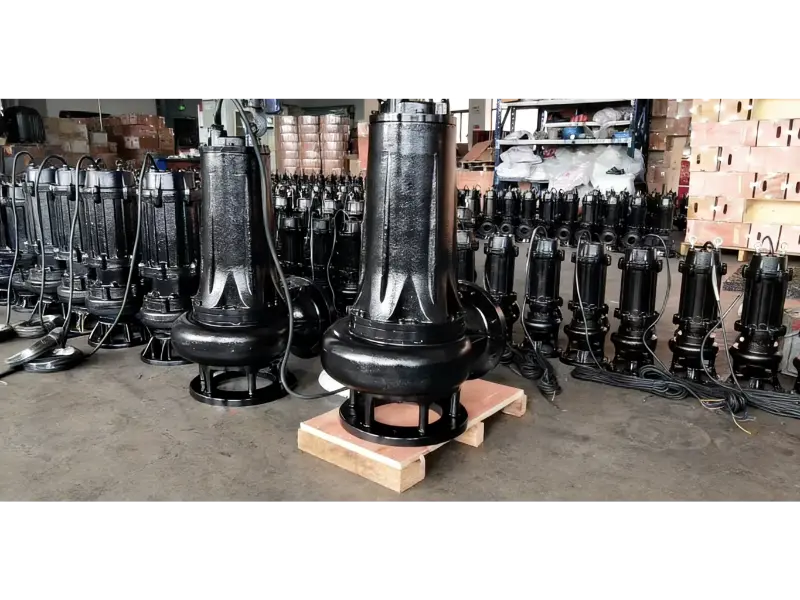
Submersible sewage pumps are essential equipment for wastewater management and play a significant role in urban planning. Their ability to operate underwater makes them ideal for draining sewage and stormwater from basements, construction sites, and flooded areas. This article will explore the key features of submersible sewage pumps and highlight their importance in urban environments.
In urban settings, managing wastewater and stormwater is a major challenge. Inadequate drainage systems can lead to serious problems like flooding. Submersible sewage pumps provide a reliable solution by efficiently removing wastewater from submerged areas. Thanks to their compact design and underwater operation, they are perfectly suited for draining basements, construction sites, and flood zones. By effectively handling sewage, these pumps play a vital role in preventing urban waterlogging.
Key Features of Submersible Sewage Pumps
When selecting a submersible sewage pump for urban planning projects, it’s important to consider its characteristics. These features determine the pump’s performance and reliability.
One of the primary considerations is the pump’s power and efficiency. Submersible sewage pumps come in various power ratings, from small portable models to large heavy-duty units. The pump’s power should match the flow rate and viscosity of the sewage being handled. More powerful pumps can manage larger volumes and thicker sewage, making them suitable for municipal applications and industrial facilities.
The pump’s construction and materials are also crucial factors. Submersible sewage pumps are typically made from corrosion-resistant materials such as stainless steel or cast iron. These materials ensure durability and a long service life even in harsh sewage environments. Additionally, pump designs often include features like clog-resistant impellers and easy maintenance access to minimize downtime and upkeep costs.
Another key feature is the pump’s control and monitoring capability. Modern submersible sewage pumps are equipped with advanced control systems that allow for remote monitoring and operation. These systems provide real-time performance data, enabling operators to identify potential issues early and take proactive measures. Remote monitoring also helps schedule maintenance and repairs efficiently, reducing the risk of unexpected pump failures.
Advantages of Using Submersible Sewage Pumps in Urban Planning
Submersible sewage pumps are an ideal choice for urban projects, offering benefits such as space-saving design, high energy efficiency, and versatility across various applications.
One standout advantage is their space-saving design. Unlike traditional pumps that require above-ground installation and additional infrastructure, submersible pumps operate underwater, eliminating the need for bulky above-ground equipment. This compact design is especially valuable in densely built urban areas where space is limited and costly. Using submersible pumps allows city planners to maximize available space effectively.
High energy efficiency is another key benefit. These pumps are designed to operate underwater, which reduces energy losses associated with pumping sewage through long pipelines. Moreover, modern submersible pumps are fitted with high-efficiency motors and advanced control systems to optimize power usage. By deploying these pumps, cities can significantly cut down on energy costs.
Submersible sewage pumps are also highly versatile and can be used for applications beyond conventional sewage pumping. For instance, they are commonly used at construction sites to dewater excavations and prevent flooding. Their ability to handle large volumes of water makes them ideal for draining basements and flooded areas. Furthermore, they can be paired with other equipment—such as grinders or macerators—to process and pump challenging materials like food waste or industrial effluent. This versatility makes submersible sewage pumps a valuable asset for urban planners, offering flexible solutions to a wide range of wastewater management challenges.
Considerations for Selecting the Right Submersible Sewage Pump
When choosing a submersible sewage pump for urban planning projects, several factors should be considered to ensure the pump is suitable and performs optimally.
The primary considerations are the pump’s flow capacity and head. Flow capacity refers to the volume of sewage the pump can handle, while head indicates the height to which the pump can lift the sewage. These factors depend on the specific application and the characteristics of the sewage. For municipal uses—such as pumping sewage from residential areas or industrial facilities—pumps with higher flow capacity and head are usually required. For smaller-scale applications like draining basements or construction sites, pumps with lower capacity and head may suffice.
Compatibility with existing infrastructure and systems should also be evaluated. Submersible sewage pumps are often integrated into larger wastewater management systems, such as treatment plants or drainage networks. Therefore, it is essential to ensure the pump’s specifications—such as voltage, phase, and frequency—match the requirements of the existing infrastructure.
Conclusion
Submersible sewage pumps are indispensable for effective wastewater management in urban planning projects. Their underwater operation, combined with high energy efficiency and versatility, makes them ideal for draining sewage and stormwater in various applications. When selecting a submersible sewage pump, it is important to consider factors such as flow capacity, construction materials, control features, and compatibility with existing infrastructure.