
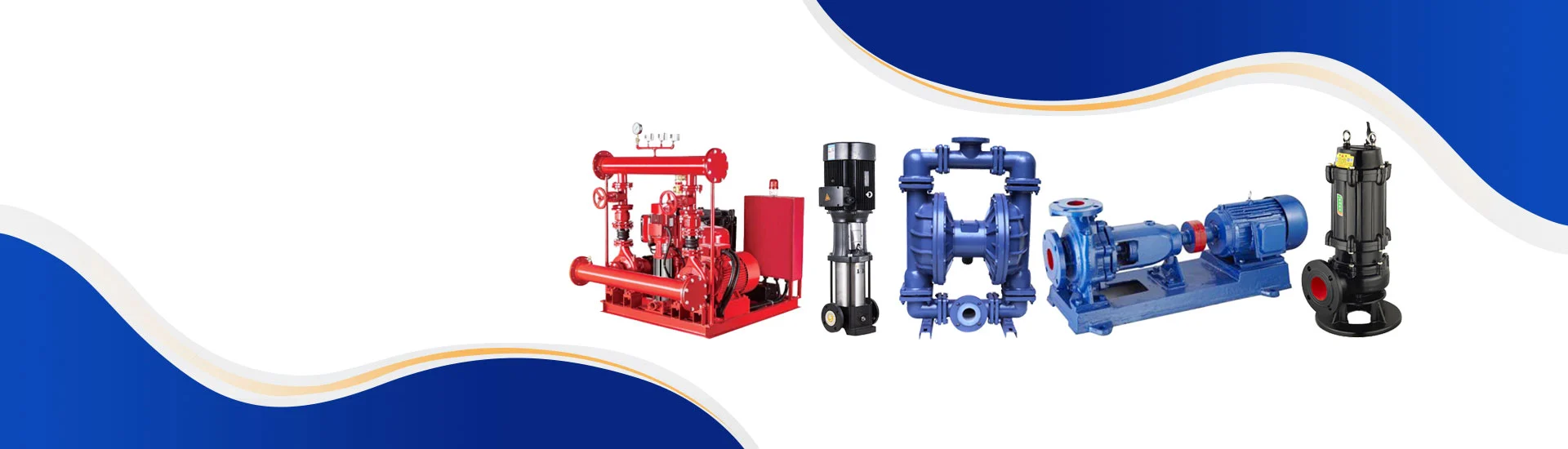
Overview of Multistage Centrifugal Pumps
A multistage centrifugal pump is a commonly used industrial pump known for its high head and wide range of applications. These pumps are available in multiple series, such as:
1. Horizontal multistage centrifugal pumps: Type D, DG, DF, DM.
2. Vertical multistage centrifugal pumps: Type DL, DLR, CDLF.
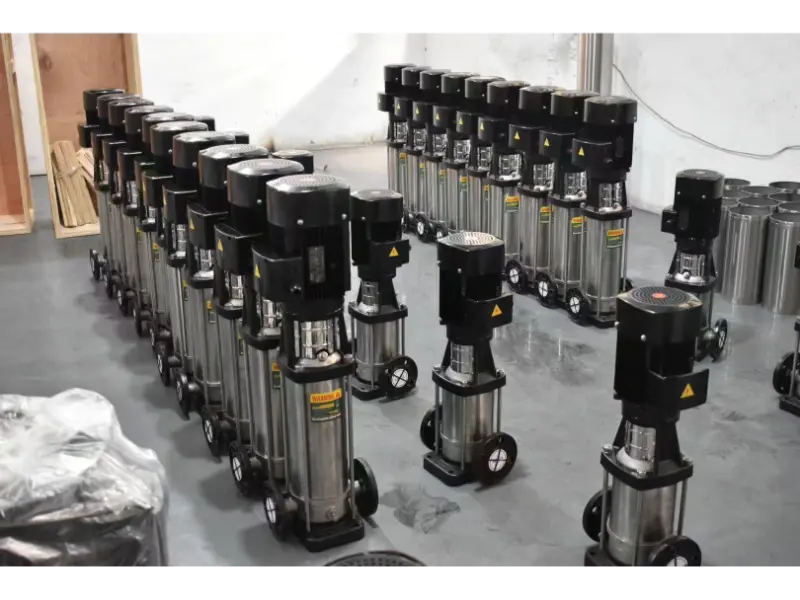
Five Common Reasons Why a Vertical Multistage Pump Fails to Draw Water:
(1) Low Pump Speed.
Human error: Some users replace a damaged original motor with an incompatible one,which causes low flow, reduced head, and failure to draw water.
Mechanical issues: Loose fastening nuts between the impeller and pump shaft, a bent pump shaft causing impeller displacement and contact with the pump casing, or worn bearings—all can lower pump speed.
Poor motor maintenance: Burnt motor windings, changes in winding turns, wire gauge, or wiring methods during repair, or incomplete troubleshooting can also affect pump speed.
(2) Air Trapped in the Inlet Pipe or Pump Body
Insufficient priming: Even if water seems to overflow from the vent hole, failing to rotate the pump shaft to fully purge air can leave bubbles in the inlet line or pump chamber.
Incorrect pipe: The horizontal section of the inlet pipe should slope downward by at least 0.5% toward the pump, with the pump inlet as the highest point. An upward slope traps air, reduces vacuum, and hinders suction.
Worn packing: Long-term wear or overly loose packing allows water to leak from the gap between the packing and shaft sleeve, letting outside air enter the pump.
Corroded inlet pipe: Prolonged submersion can corrode the pipe wall, creating holes. As the water level drops during operation, these holes may become exposed and allow air into the pipe.
Cracks or gaps: Small cracks at the pump connection point can also let the air in.
(3) Excessive Resistance in the Piping System
Even if the vertical distance from the water source to the pump is less than the pump’s rated head, too-long pipes or too many bends can cause significant flow resistance.
A 90° elbow generally creates more resistance than a 120° elbow, with each 90° bend causing about 0.5–1 meter of head loss.
Roughly 1 meter of head is lost per 20 meters of pipe length.
Changing the inlet/outlet pipe diameter arbitrarily can also affect performance.
(4) Excessive Suction Lift
If the water source is too deep or the pump is installed in a flat area beyond its allowable suction lift, it may not draw water properly.
The maximum theoretical suction lift under absolute vacuum is about 10 meters of water column, but pumps cannot achieve perfect vacuum.
Excess vacuum can cause water to vaporize inside the pump, damaging operation.
Most centrifugal pumps have a maximum allowable suction lift between 3 and 8.5 meters—always follow the manufacturer’s guidelines during installation.
(5) Other Contributing Factors
Faulty or blocked gate/check valves: Can reduce flow or prevent water from being drawn altogether.
Leaks in the discharge pipe: Affect the pump’s ability to move water efficiently.
Clogged foot valve strainer: Debris or sludge accumulation can block the strainer.
Blocked impeller inlet: Obstructions here directly hinder water entry and flow.