
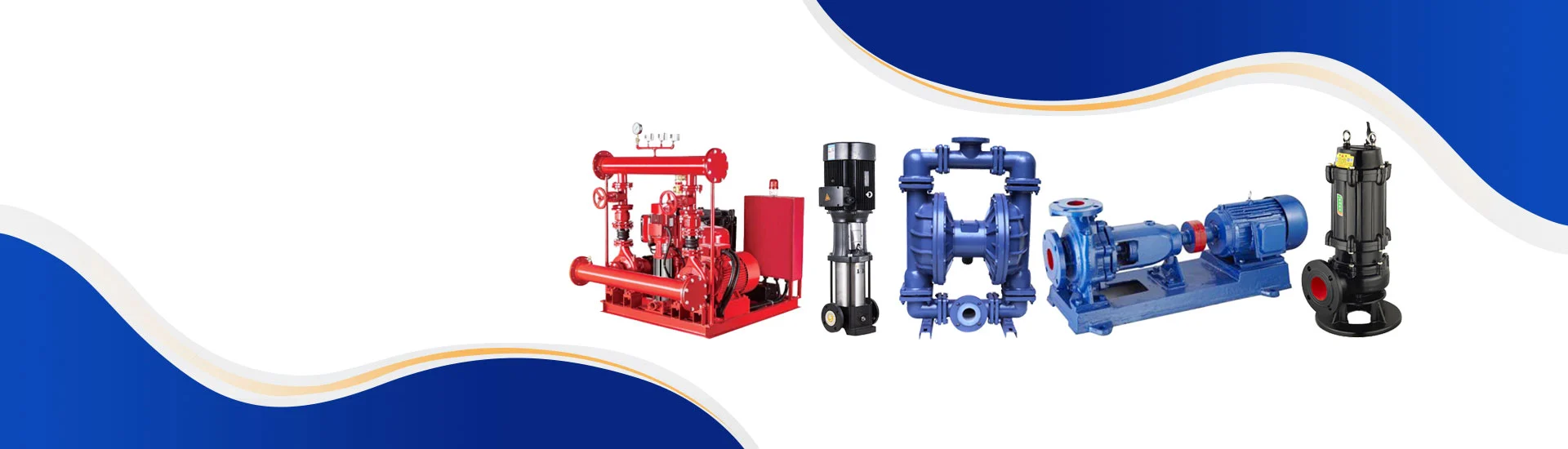
Features of Sewage Pumps
Compact, portable, and easy to install: They have a compact structure, small footprint, and are easy to move and install. No dedicated pump house is needed—they work while submerged, significantly reducing construction costs.
Excellent non-clogging capability: Designed with large flow passages and anti-clogging components, they can effectively pass short fibers and small-diameter solid particles.
Versatile operation: Pumps equipped with an external circulation water system can operate continuously for long periods in low-water-level conditions. High-flow pumps with self-agitation impellers can automatically stir the water in sumps, mixing sludge and solids for discharge.
Automatic operation with float switch: A float switch can automatically start and stop the pump based on water level changes, eliminating the need for constant supervision.
Comprehensive safety protection: Optional fully automatic control panels monitor the pump for leaks, electrical faults, overloads, and overheating, ensuring reliable and safe operation.
Easy installation and maintenance (for large pumps): A dual-guide rail automatic coupling system makes installation and servicing of large-flow sewage pumps much more convenient, avoiding the need for personnel to enter the wet well.
Built-in leak detection: An oil chamber equipped with a water ingress probe sends a signal if the mechanical seal fails and water enters, protecting the pump from damage.
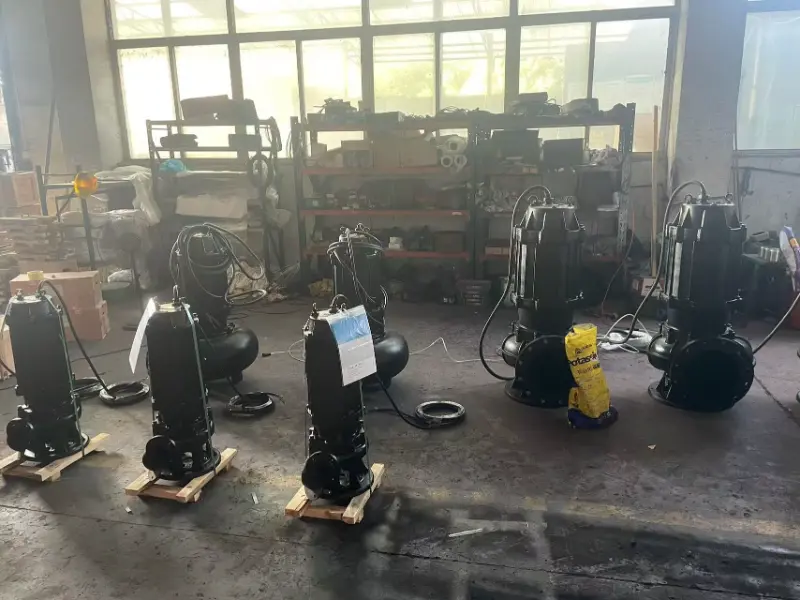
Maintenance of Sewage Pumps
Replacing the Wear Ring: After prolonged use in sewage, the clearance between the impeller and the wear ring may increase, reducing pump flow and efficiency. To fix this: turn off the power, hoist the pump, remove the bottom cover, take out the old wear ring, and install a new one matched to the actual size of the impeller's mouth ring. The standard clearance is about 0.5 mm.
Cable Inspection: Inspect the power cable at least once a year. Replace it if any damage is found.
Long-term Storage: If the pump will not be used for an extended period, clean it, hoist it, and store it in a dry, well-ventilated place. Protect it from freezing. If it must be stored submerged, run it for at least 30 minutes every 15 days (never run it dry) to check its function and condition.
Annual Electrical Check: Check the motor insulation and tighten all screws at least once a year. If motor insulation has dropped, contact our After-Sales Service Department. Re-tighten any loose screws.
Oil Chamber Maintenance: An adequate amount of oil (Note: typically ISO VG 32 mechanical oil) is added at the factory to lubricate the mechanical seal. Check this oil yearly. If water is found in the oil, drain it, refill with fresh oil, replace the seal plug gasket, and tighten the plug. Re-check after three weeks. If the oil becomes emulsified again, the mechanical seal must be inspected and likely replaced (contact our After-Sales Service Department).
Troubleshooting: If a failure occurs during operation, first try the suggested troubleshooting methods. If the problem persists or the cause is unclear, do not attempt unauthorized disassembly or repair. Contact our After-Sales Service Department immediately.
To ensure the proper functioning of your sewage pump, please perform regular inspections and maintenance.
Previous:How to read the Sewage Pump Model