
What Is a Long Shaft Fire Pump and Why Is It Essential for Deep-Well & High-Rise Fire Protection Systems
A Long Shaft Fire Pump is a specialized vertical turbine fire pump designed to draw water from deep sources such as underground tanks, rivers, lakes, or wells. Widely used in industrial plants, power stations, municipal water systems, and high-rise buildings, it ensures reliable fire protection even when water sources are located far below ground level.
This comprehensive guide explores how long shaft fire pumps operate, their structural components, compliance standards (such as NFPA 20), performance advantages, installation requirements, and maintenance best practices. Whether you're a fire protection engineer, project contractor, or facility manager, this article will help you make informed decisions.
📚 Table of Contents
- 1. What Is a Long Shaft Fire Pump?
- 2. How Does a Long Shaft Fire Pump Work?
- 3. Key Components of a Vertical Long Shaft Fire Pump
- 4. Main Applications and Industries
- 5. Advantages Over Other Fire Pump Types
- 6. How to Select the Right Model
- 7. Compliance with NFPA 20 and Global Standards
- 8. Installation Guidelines
- 9. Maintenance and Inspection Checklist
- 10. Frequently Asked Questions
1️⃣ What Is a Long Shaft Fire Pump?
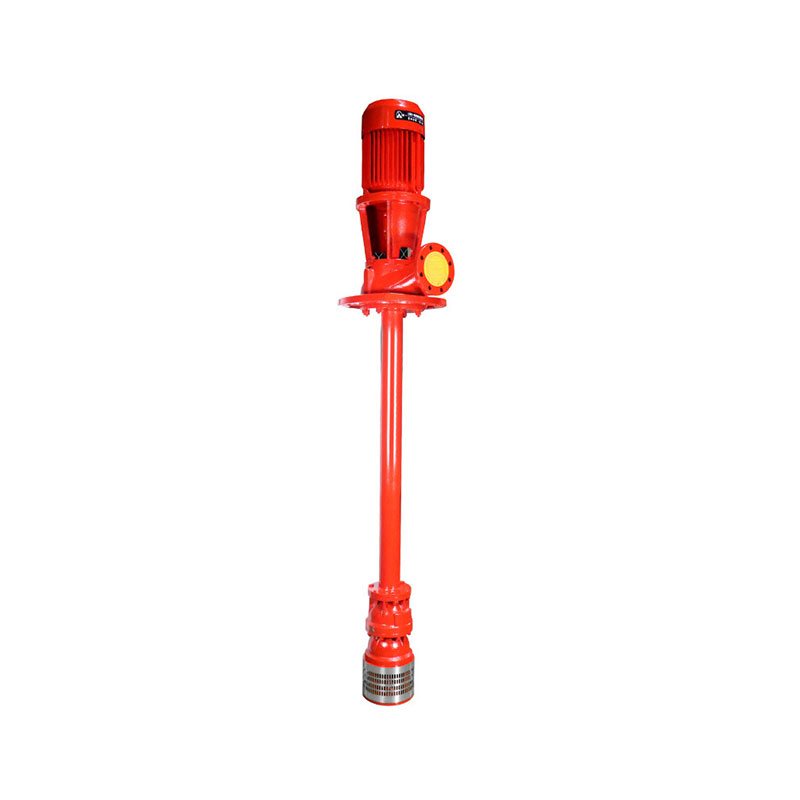
A Long Shaft Fire Pump is a vertical turbine pump specifically engineered for fire protection systems where the water source is located significantly below the pump installation level. Unlike horizontal split-case pumps, this system features a vertically mounted motor positioned above ground, connected to multiple impellers submerged underwater through a long drive shaft.
It is commonly referred to as a Vertical Turbine Fire Pump and is ideal for:
- Deep underground water tanks
- Reservoirs and lakes
- Rivers and coastal water sources
- Industrial cooling basins
Companies like Crowns manufacture high-performance long shaft fire pumps engineered for durability, corrosion resistance, and compliance with international fire safety standards.
2️⃣ How Does a Long Shaft Fire Pump Work?
The operation principle involves:
- The electric motor or diesel engine mounted above ground rotates.
- The long drive shaft transmits torque downward.
- Submerged impellers lift water stage by stage.
- Water is discharged into the fire protection pipeline system at required pressure.
Because the pump bowl assembly is submerged, it eliminates priming issues common in horizontal pumps. This makes long shaft fire pumps extremely reliable during emergency situations.
3️⃣ Key Components of a Vertical Long Shaft Fire Pump
| Component | Function |
|---|---|
| Electric Motor / Diesel Engine | Provides rotational power |
| Discharge Head | Connects pump to pipeline system |
| Drive Shaft | Transfers torque to submerged impellers |
| Column Pipe | Supports shaft and transports water upward |
| Bowl Assembly | Contains impellers and diffusers |
| Impellers | Generate pressure and lift water |
4️⃣ Main Applications and Industries
- High-rise commercial buildings
- Oil & gas refineries
- Power plants
- Petrochemical facilities
- Municipal fire stations
- Mining operations
In large industrial environments where water sources are underground or distant, a long shaft fire pump ensures consistent fire water supply under high pressure.
5️⃣ Advantages Over Other Fire Pump Types
| Feature | Long Shaft Fire Pump | Horizontal Split Case |
|---|---|---|
| Deep Water Capability | Excellent | Limited |
| Priming Required | No | Yes |
| Space Efficiency | Vertical – saves space | Requires floor area |
| Reliability | High in submerged conditions | Moderate |
6️⃣ How to Select the Right Long Shaft Fire Pump
When selecting a model, consider:
- Required flow rate (GPM or m³/h)
- Total dynamic head (TDH)
- Water depth
- Power source availability
- Corrosion resistance needs
- Compliance with NFPA 20
For detailed specifications, refer to professional manufacturers such as Crowns, who provide customized engineering solutions.
7️⃣ Compliance with NFPA 20 and Global Standards
Long shaft fire pumps must comply with NFPA 20 – Standard for the Installation of Stationary Pumps for Fire Protection.
Key compliance areas include:
- Minimum performance curve requirements
- Hydrostatic testing
- Controller compatibility
- Emergency power integration
- Installation clearances
8️⃣ Installation Guidelines
- Ensure proper vertical alignment
- Verify foundation strength
- Check shaft straightness
- Confirm discharge head sealing
- Perform pre-start inspection
Proper installation significantly extends the lifespan and ensures reliable performance during emergencies.
9️⃣ Maintenance and Inspection Checklist
- Weekly test runs
- Monthly vibration checks
- Quarterly shaft lubrication inspection
- Annual full performance test
Preventive maintenance reduces system failure risks and ensures compliance with fire safety audits.
🔟 Frequently Asked Questions (FAQ)
Q1: What is the maximum depth a long shaft fire pump can handle?
Depending on design, it can operate at depths exceeding 30 meters or more.
Q2: Is a long shaft fire pump suitable for seawater?
Yes, when built with corrosion-resistant materials like stainless steel or bronze.
Q3: Does it require priming?
No. Since the bowl assembly is submerged, priming is not necessary.
Q4: Can it be diesel-driven?
Yes. Both electric motor and diesel engine options are available.
Q5: How long does a long shaft fire pump last?
With proper maintenance, 15–25 years or longer.
🚀 Conclusion: Why Choose Crowns Long Shaft Fire Pumps?
A Long Shaft Fire Pump is an indispensable component in deep-water fire protection systems. Its vertical design, submerged impellers, and high-pressure output make it ideal for complex industrial and commercial applications.
Crowns delivers engineered solutions designed for durability, compliance, and high efficiency. Whether for municipal, industrial, or high-rise building applications, choosing the right long shaft fire pump ensures life-saving reliability when it matters most.
🔥 Looking for a reliable Long Shaft Fire Pump manufacturer? Crowns provides customized vertical turbine fire pump solutions engineered to meet global standards.
👉 Contact us today to get expert consultation and competitive pricing!
Previous:Features of Sewage Pumps