
Efficient wastewater handling is essential for residential, commercial, and industrial environments where solid particles, fibrous materials, and contaminated water must be transported safely. Crowns provides reliable pumping solutions designed for challenging drainage conditions, and the WQK Cutting Sewage Pump is engineered with a powerful cutting mechanism, durable construction, and stable performance to handle complex sewage applications. This article explains the working principle, technical advantages, application scenarios, selection factors, and maintenance methods of this advanced sewage pump solution.
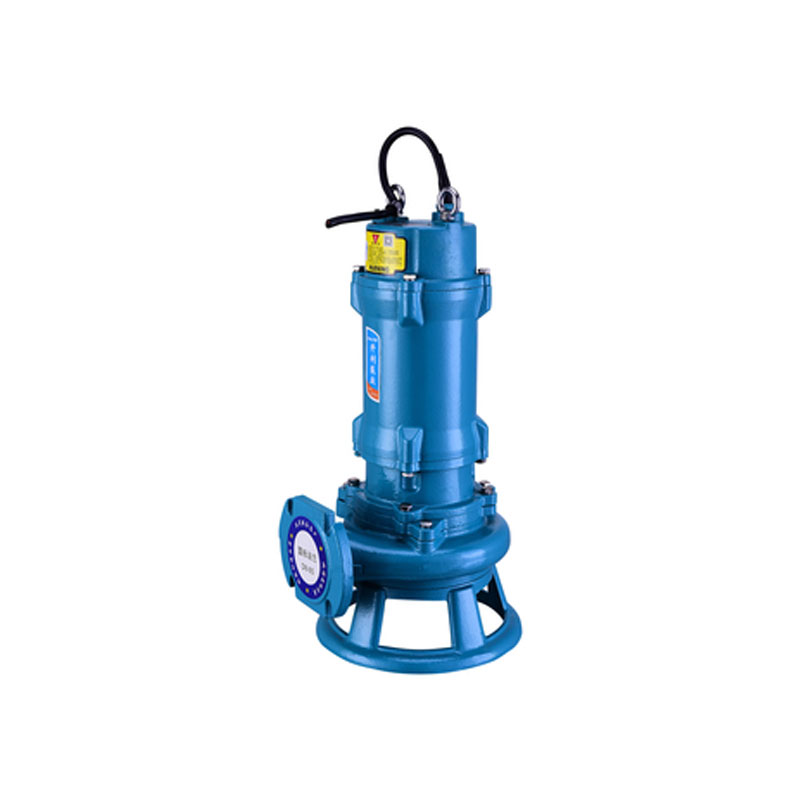
Table of Contents
- What Is a WQK Cutting Sewage Pump?
- How Does the Cutting System Improve Pumping Performance?
- Key Advantages of WQK Cutting Sewage Pump
- Where Can WQK Cutting Sewage Pumps Be Used?
- Technical Features and Performance Parameters
- How to Select the Right Sewage Pump?
- Maintenance Tips for Long-Term Operation
- Frequently Asked Questions About WQK Cutting Sewage Pump
- Choose Reliable Sewage Pump Solutions
What Is a WQK Cutting Sewage Pump?
A WQK Cutting Sewage Pump is a specialized submersible pump designed for wastewater transportation where conventional sewage pumps may struggle with solid particles and clogging problems. Unlike ordinary drainage pumps, this type of pump integrates a high-strength cutting mechanism at the inlet, allowing it to cut suspended fibers, plastic materials, textile waste, and other difficult particles before they enter the impeller chamber.
The main purpose of the WQK Cutting Sewage Pump is to achieve smoother wastewater discharge while reducing blockage risks and improving operational stability. It is widely used in sewage treatment systems, underground drainage facilities, construction sites, agricultural wastewater systems, and industrial wastewater applications.
With professional manufacturing technology and strict quality control, Crowns focuses on providing durable pumping equipment that meets different customer requirements. The WQK series combines efficient hydraulic performance with reliable cutting capability, making it a practical choice for demanding wastewater environments.
How Does the Cutting System Improve Pumping Performance?
The biggest difference between a standard sewage pump and a WQK Cutting Sewage Pump is the integrated cutting device. During operation, wastewater containing solid impurities enters the pump inlet first. The rotating cutter quickly cuts larger materials into smaller pieces, allowing them to pass through the impeller smoothly.
This cutting process provides several important benefits:
- Reduced clogging possibility: Large particles and fibrous materials are effectively processed before entering the pump body.
- Stable wastewater transportation: Smaller particles improve fluid flow efficiency and reduce sudden pressure fluctuations.
- Lower maintenance frequency: Reduced blockage helps minimize downtime and cleaning requirements.
- Improved system reliability: The pump can operate continuously in complex sewage conditions.
For facilities handling wastewater with high solid content, the cutting structure provides a significant advantage compared with traditional sewage pumping equipment.
Key Advantages of WQK Cutting Sewage Pump
Choosing the right sewage pump directly affects system efficiency, operating costs, and equipment lifespan. The WQK Cutting Sewage Pump offers multiple engineering advantages for professional wastewater management.
| Feature | Benefit |
|---|---|
| Cutting Blade System | Effectively cuts fibers and solid waste to prevent blockage. |
| Submersible Design | Allows direct installation in sewage tanks and drainage pits. |
| High-Efficiency Motor | Provides stable power output with optimized energy consumption. |
| Wear-Resistant Components | Improves durability in harsh wastewater environments. |
| Automatic Protection System | Helps prevent motor damage caused by overload or abnormal operation. |
1. Excellent Anti-Clogging Performance
Clogging is one of the most common problems affecting sewage pump operation. Traditional pumps may experience reduced flow efficiency when exposed to long fibers, cloth materials, or solid waste. The cutting structure of the WQK series significantly improves resistance against blockage by breaking down difficult materials before pumping.
2. Strong Durability for Harsh Conditions
Wastewater environments often contain corrosive substances and abrasive particles. The WQK Cutting Sewage Pump adopts robust materials and a sealed motor structure to improve protection against moisture, corrosion, and mechanical wear. This design supports long-term operation in challenging working conditions.
3. Easy Installation and Flexible Operation
The submersible structure allows convenient installation without requiring complicated foundation construction. Users can install the pump in sewage pits, tanks, or drainage systems according to project requirements, saving installation time and reducing overall system complexity.
Where Can WQK Cutting Sewage Pumps Be Used?
Due to its strong solid-handling capability and reliable cutting performance, the WQK Cutting Sewage Pump is suitable for a wide range of wastewater applications. It is especially valuable in environments where sewage contains fibers, suspended solids, or materials that may cause traditional pumps to become blocked.
- Municipal Wastewater Treatment: Used in sewage collection stations, drainage systems, and wastewater transfer facilities to maintain stable flow performance.
- Industrial Wastewater Management: Suitable for factories, processing plants, and production facilities where wastewater may contain complex solid particles.
- Construction Site Drainage: Helps remove underground water, muddy water, and contaminated water during construction projects.
- Agricultural Applications: Applied in farms, livestock facilities, and irrigation drainage systems where wastewater contains organic materials.
- Commercial Buildings: Provides reliable drainage solutions for hotels, shopping centers, residential buildings, and public facilities.
Compared with conventional sewage pumps, the cutting function allows the WQK series to adapt better to demanding environments, reducing interruptions caused by clogging and improving overall wastewater management efficiency.
Technical Features and Performance Parameters
Understanding technical specifications is important when selecting a sewage pump for a specific project. The performance of a WQK Cutting Sewage Pump depends on factors such as motor power, flow rate, head range, material selection, and installation conditions.
| Technical Feature | Description | Application Benefit |
|---|---|---|
| Pump Type | Submersible cutting sewage pump | Suitable for direct wastewater pumping operations |
| Cutting Structure | High-strength rotating cutter system | Processes fibers and solid impurities efficiently |
| Motor Protection | Sealed waterproof motor design | Improves operational safety underwater |
| Impeller Design | Optimized hydraulic structure | Provides stable water flow and improved efficiency |
| Installation Method | Submersible installation | Saves installation space and simplifies operation |
| Working Environment | Wastewater, sewage, drainage applications | Handles challenging fluid conditions |
For professional projects, users should select the appropriate model according to required flow capacity, pumping distance, liquid characteristics, and operating frequency. Proper matching between the pump and application environment can maximize service life and reduce operating expenses.
How to Select the Right Sewage Pump?
Choosing a suitable sewage pump requires more than considering only motor power. A correct selection process should evaluate multiple factors to ensure efficient and reliable operation.
1. Analyze Wastewater Characteristics
Before purchasing equipment, determine the type of wastewater being transported. If the liquid contains fibers, suspended solids, or organic waste, a cutting sewage pump is usually a better option than a standard drainage pump.
2. Consider Flow Rate Requirements
The required flow rate determines how quickly wastewater can be removed. Selecting a pump with insufficient capacity may reduce efficiency, while excessive capacity may increase unnecessary energy consumption.
3. Evaluate Pumping Distance and Head
The vertical lifting height and pipeline length directly influence pump performance. A suitable model should provide enough pressure to transport wastewater effectively throughout the entire system.
4. Check Installation Conditions
Different projects have different installation environments. Factors such as tank depth, available space, electrical conditions, and operating temperature should be considered before selecting a pump.
Working with an experienced pump manufacturer can help customers identify the most suitable solution according to their actual requirements.
Maintenance Tips for Long-Term Operation
Although the WQK Cutting Sewage Pump is designed for durability, regular maintenance is still essential to ensure consistent performance and extend equipment lifespan.
- Inspect the Cutting Blade Regularly: Check whether the cutting components are worn or damaged after long-term operation.
- Clean Foreign Materials: Remove accumulated debris around the pump inlet to maintain smooth water flow.
- Monitor Motor Performance: Pay attention to unusual noise, vibration, or temperature increases during operation.
- Check Electrical Connections: Ensure cables and control systems remain properly protected from moisture.
- Follow Recommended Operating Conditions: Avoid running the pump under unsuitable conditions that may shorten service life.
A preventive maintenance plan can significantly reduce unexpected downtime and improve the long-term return on investment for wastewater pumping systems.
Frequently Asked Questions About WQK Cutting Sewage Pump
Q1: What makes a WQK Cutting Sewage Pump different from a normal sewage pump?
The main difference is the integrated cutting mechanism. A WQK Cutting Sewage Pump can cut fibers and larger solid materials before pumping, which helps prevent clogging and improves wastewater transportation reliability.
Q2: Can the WQK Cutting Sewage Pump handle wastewater containing solid particles?
Yes. The pump is specifically designed for wastewater environments containing suspended solids, fibers, and other impurities. The cutting system reduces particle size before the wastewater passes through the pump structure.
Q3: How can users extend the service life of this sewage pump?
Regular inspection, proper installation, timely cleaning, and operation within recommended conditions are effective methods to maintain performance and extend equipment lifespan.
Q4: Is a cutting sewage pump suitable for industrial applications?
Yes. Many industrial wastewater systems require reliable solid-handling capability. The WQK Cutting Sewage Pump can provide stable operation in factories, processing facilities, and other environments with complex wastewater conditions.
Choose Reliable Sewage Pump Solutions
A reliable wastewater pumping system requires equipment that combines strong performance, durability, and efficient operation. With advanced cutting technology and professional manufacturing experience, Crowns provides dependable WQK Cutting Sewage Pump solutions for customers worldwide. Whether you need equipment for municipal projects, industrial drainage, agricultural applications, or commercial wastewater systems, selecting the right pump can improve efficiency and reduce maintenance costs. If you are looking for a high-quality sewage pumping solution or need professional assistance with model selection, please contact us for customized support and reliable product recommendations.