
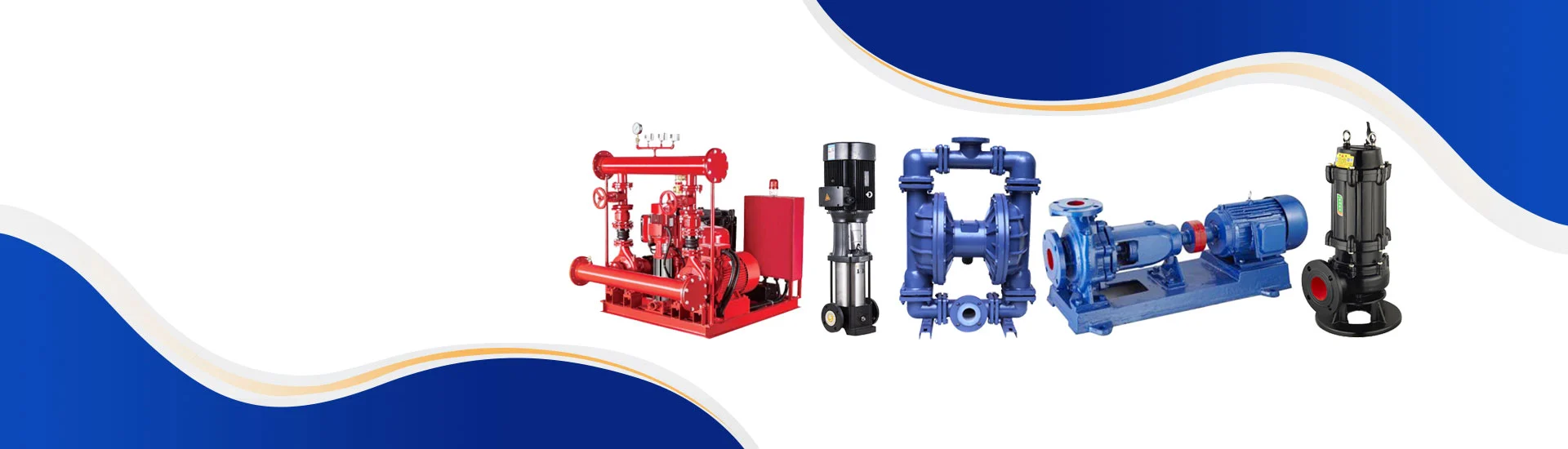
What is a Major Advantage of Centrifugal Pump?
When industrial engineers and municipal water facility operators select fluid transfer equipment, centrifugal pumps always top the procurement list. Among all their strengths ranging from simple structure to wide material compatibility, stable, pulse-free continuous flow stands out as the most decisive advantage that secures their dominant position across global industries, according to the latest fluid machinery industry research released this month.
Unlike positive displacement pumps such as diaphragm pumps, gear pumps and plunger pumps that deliver liquid in intermittent surges, centrifugal pumps rely on high-speed rotating impellers to generate steady centrifugal force. This design eliminates violent flow fluctuation and pressure pulsation throughout the whole pipeline. For production lines demanding consistent fluid supply, this feature directly avoids common risks caused by unstable flow, including equipment vibration, pipeline fatigue damage and inaccurate chemical dosing ratios.
Municipal water supply systems are the most typical application scenario to reflect this merit. Large split-case centrifugal pumps installed at water treatment plants transport massive volumes of purified water to urban pipe networks around the clock. If flow pulses occurred, residential tap water pressure would rise and drop sharply, and high-rise booster systems would face frequent startup and shutdown. The smooth output of centrifugal pumps maintains balanced water pressure for thousands of households and commercial buildings simultaneously, drastically lowering maintenance frequency for secondary water supply equipment.
The chemical and pharmaceutical sectors also rely heavily on this core advantage. Stainless steel centrifugal pumps with 316L pump bodies continuously transfer acidic solvents, reaction raw materials and liquid medicine without flow spikes. Unstable fluid delivery would disrupt chemical reaction proportions or contaminate finished medical products, leading to massive material waste. Many pharmaceutical manufacturers confirmed that switching to centrifugal pumps cut defective product rates by nearly 25 percent within half a year.
Agricultural irrigation and firefighting systems further prove its value. During large-scale farm watering, centrifugal pumps evenly distribute water across vast farmland without uneven spraying caused by flow surges. In fire protection projects, steady discharge pressure guarantees stable water jet distance for fire hoses, which is critical for rapid hazard elimination in emergencies.
This core strength also brings additional economic benefits. Steady flow reduces hydraulic shock inside pipes, extending the service life of valves, flanges and storage tanks. Combined with easy integration of variable frequency drives, centrifugal pumps adjust flow volume smoothly without throttling loss, achieving 20% to 30% energy savings compared with displacement pumps under variable load conditions.
Industry analysts noted that the global centrifugal pump market will hit USD 55.4 billion by 2035, driven by infrastructure upgrades worldwide. While other pump types serve special high-viscosity or small-flow demands, the unmatched advantage of continuous stable flow ensures centrifugal pumps remain the universal choice for most fluid transportation tasks in the next decade.