
How Does a Mechanical Diaphragm Metering Pump Deliver Precise and Reliable Dosing Performance in Modern Industrial Systems
In today’s demanding fluid handling industry, the Mechanical Diaphragm Metering Pump has become a critical solution for precise chemical dosing and controlled fluid transfer. Companies like Crowns have refined this technology to ensure high accuracy, durability, and operational stability across a wide range of industrial applications. Whether used in water treatment, chemical processing, or manufacturing systems, this pump type delivers consistent performance while minimizing leakage risks and maintenance requirements.
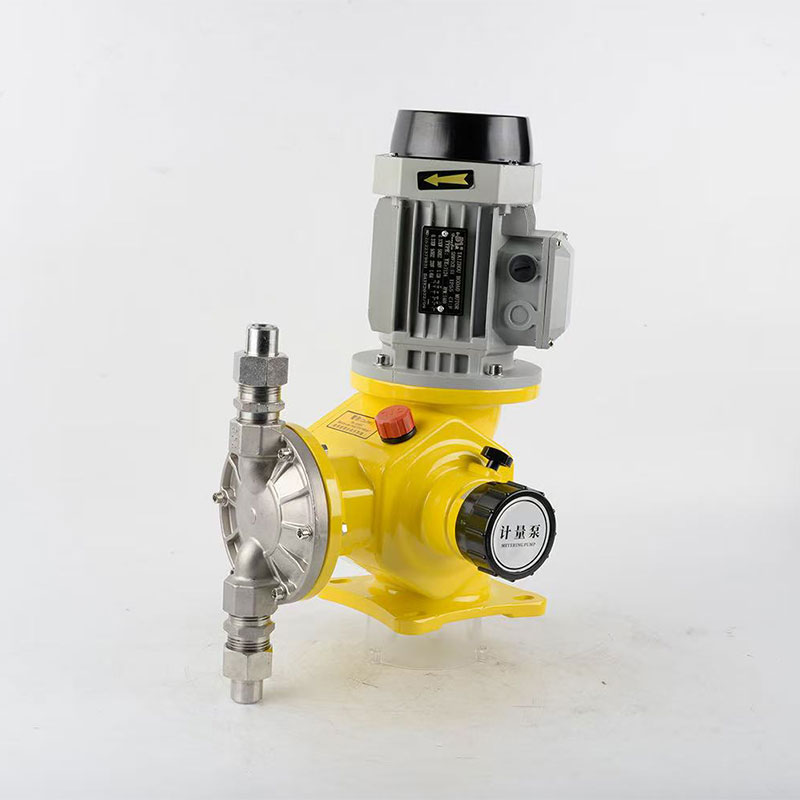
Table of Contents
- What is a Mechanical Diaphragm Metering Pump?
- Working Principle
- Key Features
- Industrial Applications
- Technical Parameters
- Advantages Over Other Pump Types
- Selection and Maintenance Guide
- FAQ
What is a Mechanical Diaphragm Metering Pump?
A Mechanical Diaphragm Metering Pump is a precision dosing device designed to deliver a controlled and repeatable flow of liquids. Unlike hydraulic diaphragm pumps, this system uses a mechanically driven diaphragm to displace fluid with high accuracy. The diaphragm isolates the process fluid from mechanical components, significantly reducing leakage risks and ensuring safe handling of corrosive or hazardous chemicals.
The engineering design behind this pump allows stable metering even under fluctuating pressure conditions, making it an essential component in industries requiring strict dosage control and reliability.
Working Principle
The pump operates using a crankshaft-driven mechanism that converts rotary motion into reciprocating motion. This motion flexes the diaphragm forward and backward, creating suction and discharge cycles.
- Suction Stroke: The diaphragm retracts, creating a vacuum that draws fluid into the chamber.
- Discharge Stroke: The diaphragm moves forward, pushing fluid out through the discharge valve.
- Check Valves: Ensure unidirectional flow and prevent backflow.
This simple yet robust mechanical structure ensures high volumetric efficiency and repeatable dosing accuracy even under long operational cycles.
Key Features
The Mechanical Diaphragm Metering Pump is widely recognized for its reliability and engineering precision. Key features include:
- High dosing accuracy with minimal deviation
- Leak-free diaphragm isolation design
- Corrosion-resistant materials for chemical compatibility
- Adjustable stroke length for flow control
- Low maintenance and long service life
- Stable performance under variable pressure conditions
Industrial Applications
Due to its versatility, this pump is used across multiple industries where precision fluid control is required:
- Water and wastewater treatment systems
- Chemical dosing and processing plants
- Petrochemical and refinery operations
- Food and beverage production
- Pharmaceutical manufacturing
- Agricultural chemical injection systems
Its ability to handle aggressive fluids and maintain accuracy makes it a preferred choice in critical process environments.
Technical Parameters
| Parameter | Specification Range | Description |
|---|---|---|
| Flow Rate | 0.5 – 1200 L/h | Adjustable dosing capacity depending on model |
| Pressure | Up to 12 bar | Stable operation under medium pressure systems |
| Diaphragm Material | PTFE / Rubber Composite | Chemical resistance and durability |
| Drive Type | Mechanical Crank Drive | Ensures precise reciprocating motion |
| Flow Adjustment | 0–100% Stroke Control | Manual or automatic regulation |
Advantages Over Other Pump Types
Compared with hydraulic diaphragm pumps or peristaltic pumps, the mechanical diaphragm metering pump offers several advantages:
- Higher Cost Efficiency: Simpler structure reduces manufacturing and maintenance costs.
- Improved Reliability: Fewer hydraulic components mean fewer failure points.
- Better Chemical Safety: Diaphragm isolation prevents leakage of hazardous fluids.
- Energy Efficiency: Direct mechanical drive reduces energy losses.
These benefits make it a preferred choice for industries seeking both performance and cost control.
Selection and Maintenance Guide
Choosing the right Mechanical Diaphragm Metering Pump requires careful evaluation of process conditions. Key considerations include fluid viscosity, required flow rate, pressure conditions, and chemical compatibility.
- Always match diaphragm material with chemical properties
- Ensure correct pressure rating for system safety
- Regularly inspect valves for clogging or wear
- Maintain proper lubrication of mechanical drive components
- Calibrate flow settings periodically for accuracy
Proper maintenance ensures long-term performance stability and reduces unexpected downtime.
FAQ
Q1: What makes a Mechanical Diaphragm Metering Pump different from other dosing pumps?
It uses a mechanically driven diaphragm that provides direct displacement, ensuring higher reliability and fewer hydraulic complexities.
Q2: Can it handle corrosive chemicals?
Yes, with PTFE or chemical-resistant diaphragm materials, it can safely handle aggressive and corrosive fluids.
Q3: Is flow rate adjustable during operation?
Yes, most models allow stroke length adjustment for real-time flow control.
Q4: What industries benefit most from this pump?
Water treatment, chemical processing, pharmaceuticals, and food industries widely use it for precise dosing.
Q5: How long does a diaphragm last?
Service life depends on operating conditions, but typically ranges from several months to a few years under normal usage.
The Mechanical Diaphragm Metering Pump continues to play a vital role in modern industrial fluid control systems due to its precision, durability, and adaptability. As industries evolve toward higher efficiency and safer operations, solutions like those developed by Crowns provide reliable support for complex dosing requirements. If you are looking to upgrade your fluid handling system or require a customized dosing solution, our engineering team is ready to assist you. For more details, technical consultation, or product selection support, please feel free to contact us and explore how Crowns can help optimize your process performance.