
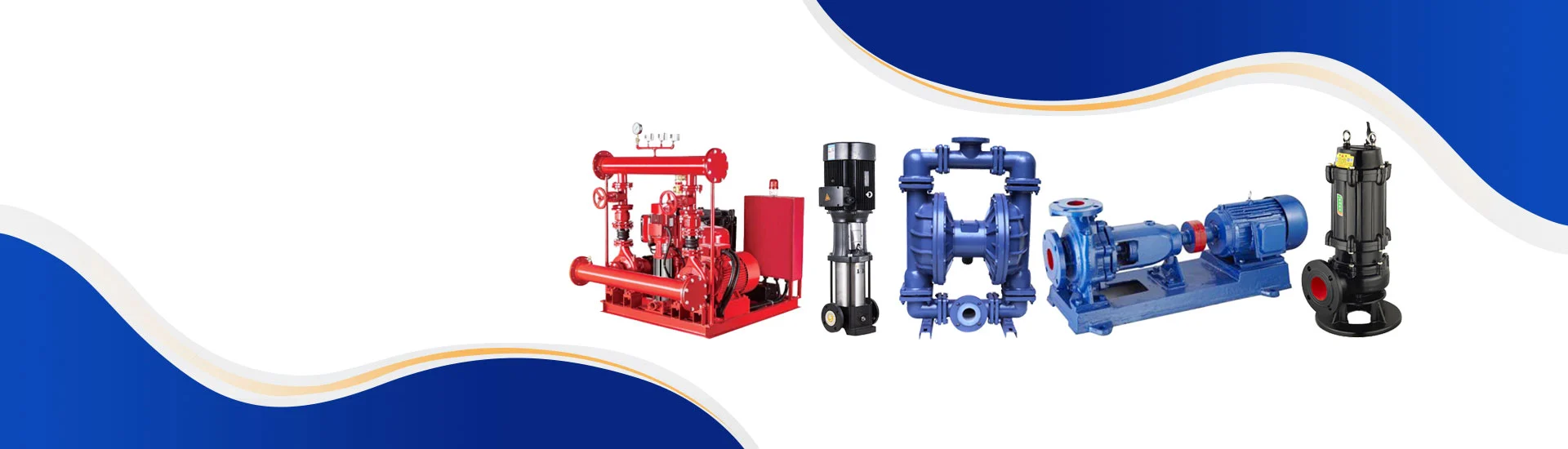
How Does A Vertical Pump Work?
A Deep Dive Into the Engineering Behind One of Industry's Most Versatile Fluid Solutions
[NEW YORK, June 27, 2026]— From municipal water supplies to industrial manufacturing plants, vertical pumps quietly power critical infrastructure worldwide. But how exactly do these tall, slender machines move thousands of gallons of fluid with such efficiency?
At its core, a vertical pump operates on the principle of centrifugal force. Unlike horizontal pumps that sit beside their fluid source, vertical pumps feature a vertically oriented shaft that extends downward directly into the liquid. This unique design makes them ideal for deep wells, underground storage tanks, and applications where floor space is at a premium.
The process begins at the top, where an electric motor drives a long rotating shaft. Mounted at the bottom of this shaft is the impeller—a disc with curved blades that spins at high speed. As the impeller rotates, it creates a low-pressure zone at its center, known as the "eye," which draws surrounding fluid upward through the suction inlet.
"Think of it like stirring a cup of tea with a spoon," explains Dr. Sarah Chen, a mechanical engineer specializing in fluid dynamics. "The faster you stir, the more the liquid is pushed toward the edges. The same principle applies inside the pump—except we've engineered it to generate significant pressure."
Once drawn into the impeller, fluid is accelerated outward by the spinning blades, converting rotational energy into kinetic energy. The fluid then enters a stationary diffuser or volute casing, where gradually widening channels slow the liquid down while simultaneously building pressure. This pressurized fluid continues its journey upward through vertical discharge columns, with multistage pumps stacking additional impeller-diffuser pairs to achieve even higher pressures and greater lift.
The advantages of this vertical configuration are substantial. By keeping the motor above the fluid line, maintenance crews can service key components without draining tanks or accessing submerged equipment. The compact vertical footprint also means these pumps can be installed in tight spaces where horizontal alternatives simply won't fit.
As global demand for efficient fluid handling continues to rise—particularly in water treatment, energy production, and agricultural sectors—the humble vertical pump remains a testament to how smart engineering, applied to basic physical principles, can deliver powerful, reliable solutions.
---
Should you have any questions or need further information, please feel free to contact me anytime via WhatsApp at +86 190 1682 8739.
---