

What Makes a Centrifugal Pump the Right Choice for Your System?
Abstract
Choosing a centrifugal pump sounds simple until flow instability, energy waste, seal failures, noise, and repeated maintenance start affecting daily operations. Many buyers are not struggling to find a pump. They are struggling to find the right pump for the fluid, layout, duty point, and long-term operating cost. This article explains how a centrifugal pump works, where it performs best, what mistakes buyers often make, and how to compare options with more confidence. It also shows how a manufacturer such as Shanghai Crowns Pump Manufacturing Co., Ltd. fits into the conversation when decision-makers want practical, dependable pumping solutions rather than vague promises.
Outline
- Understand the basic working principle
- Identify the operating conditions that matter most
- Compare common application scenarios
- Learn how to avoid sizing and installation mistakes
- Review maintenance priorities and buying questions
- Find clear answers in a practical FAQ
Table of Contents
- What does a centrifugal pump actually do?
- Why do so many buyers choose a centrifugal pump?
- Which operating conditions should be checked before buying?
- How can different industries use a centrifugal pump effectively?
- What mistakes cause poor performance after installation?
- How can maintenance costs be kept under control?
- What should buyers compare when evaluating suppliers?
- FAQ
- What is the smartest next step for buyers?
What does a centrifugal pump actually do?
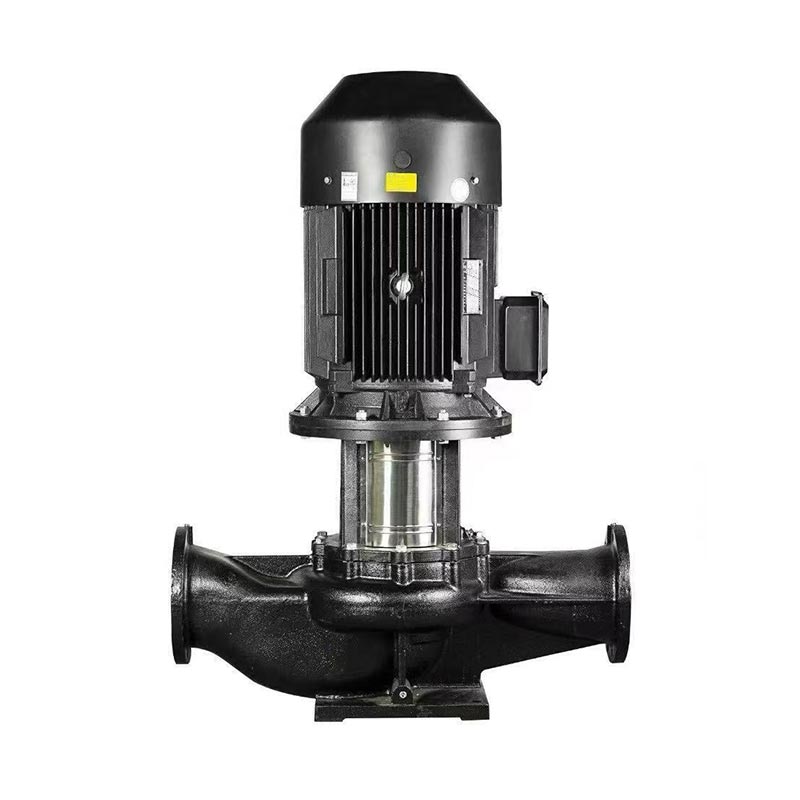
A centrifugal pump moves liquid by converting rotational energy into fluid velocity and then into pressure. In plain language, the motor drives an impeller, the impeller pushes the liquid outward, and the pump casing helps direct that movement into a usable flow. That simple principle is exactly why this pump type is so widely used. It can deliver stable flow, adapt to many duty ranges, and support everything from water transfer to pressure boosting and process circulation.
For many customers, the real question is not “What is a pump?” but “Will this model solve my operating problem without creating a new one?” That is where a more practical understanding matters. A pump may look suitable on paper, yet fail in daily use because the liquid is more corrosive than expected, the suction condition is poor, or the selected duty point sits too far away from efficient operation.
When buyers understand the function of a centrifugal pump, they usually make better decisions in four areas:
- Matching flow and head to actual site demand
- Selecting the right material for the liquid being handled
- Reducing unnecessary energy use
- Preventing early wear caused by poor installation or off-design operation
Why do so many buyers choose a centrifugal pump?
There is a reason this design appears again and again in municipal systems, industrial facilities, irrigation projects, commercial buildings, and utility support applications. A centrifugal pump is often preferred because it offers a practical balance of performance, simplicity, availability, and serviceability.
Buyers usually care about the following benefits:
| Buyer Concern | Why This Pump Type Helps |
|---|---|
| Need for continuous liquid transfer | Provides steady flow for many standard water and process duties |
| Limited installation space | Many configurations are compact and easier to integrate into existing systems |
| Maintenance workload | Common designs are generally straightforward to inspect and service |
| Operating cost | Good selection and efficient duty matching can reduce long-term power consumption |
| Parts availability | Widely used pump families often make replacement parts and support easier to obtain |
That said, popularity should never replace evaluation. Some customers choose the cheapest option and later discover that downtime, seal replacement, cavitation damage, or energy waste costs far more than the original purchase price. A reliable pump decision is rarely about the lowest quotation alone. It is about the full operating picture.
Which operating conditions should be checked before buying?
This is the step that separates a smooth project from a frustrating one. Before selecting a centrifugal pump, buyers should confirm the actual working conditions rather than relying on rough estimates.
The most important questions include:
- What flow rate is required? Too low and the process slows down. Too high and energy is wasted.
- What head is needed? This includes vertical lift, friction loss, and system resistance.
- What liquid is being pumped? Water, hot water, mildly corrosive liquid, chemically treated fluid, or suspended solids can lead to very different material choices.
- What is the liquid temperature? Temperature affects seals, materials, and operating stability.
- What is the suction condition? Poor suction can trigger cavitation and shorten equipment life.
- Will the pump run continuously or intermittently? Duty cycle influences motor selection and durability planning.
A surprising number of failures start before the pump even arrives on site. The issue is not manufacturing alone. It is often incomplete application data. If the buyer only says, “We need a water pump,” that is rarely enough to secure the right match.
A better purchasing conversation starts with a simple comparison like this:
| Selection Factor | Why It Matters | What Can Go Wrong If Ignored |
|---|---|---|
| Flow | Determines delivery volume | System underperformance or overloading |
| Head | Determines pressure capability | Insufficient discharge pressure |
| Liquid properties | Affects materials and impeller suitability | Corrosion, erosion, leakage, rapid wear |
| NPSH and suction layout | Helps maintain stable inlet conditions | Cavitation, vibration, noise, impeller damage |
| Operating range | Supports efficient long-term performance | Excessive energy cost and reduced service life |
How can different industries use a centrifugal pump effectively?
One reason the centrifugal pump remains so relevant is its flexibility across industries. The same core principle can support very different operating goals when the design and configuration are matched correctly.
Here are some common application examples:
- Commercial buildings: Water supply, circulation, pressure boosting, HVAC support
- Industrial plants: Cooling water transfer, process water handling, utility support lines
- Agriculture: Irrigation and general water movement
- Municipal systems: Water transfer, pressure management, infrastructure support
- General engineering projects: Clean liquid transport where stable flow is required
What matters here is not just where the pump is used, but how the application shapes the configuration. A compact inline layout may suit a building service application. A multistage design may be more appropriate when higher pressure is required. An end suction arrangement may be preferred when service access and standard water handling are the priorities.
This is where manufacturers such as Shanghai Crowns Pump Manufacturing Co., Ltd. become relevant to buyers who want options rather than one-size-fits-all answers. When a supplier can discuss configuration, system layout, liquid properties, and maintenance access in the same conversation, the buyer gets something more valuable than a price list. They get a workable solution path.
What mistakes cause poor performance after installation?
Even a good centrifugal pump can disappoint if it is installed poorly or operated outside its intended range. In practice, many user complaints come from avoidable system issues rather than the pump itself.
The most common mistakes include:
- Using undersized or badly routed suction piping
- Ignoring alignment between pump and motor
- Running the pump too far from its preferred operating point
- Failing to prime when the application requires it
- Allowing air ingress on the suction side
- Selecting materials that do not suit the liquid
- Installing without enough room for future service access
Buyers often focus heavily on the purchase stage and too little on commissioning. But installation is where theory meets reality. If the base is unstable, valves are mismanaged, or suction conditions are compromised, the result may be vibration, overheating, unstable discharge, or seal leakage.
A practical rule is this: if a pump suddenly becomes noisy, hot, inefficient, or difficult to control, the problem should be traced through the whole system, not just blamed on the machine.
How can maintenance costs be kept under control?
Every buyer wants long service life, but long service life is rarely a matter of luck. A centrifugal pump performs best when routine attention prevents small problems from becoming major shutdowns.
A sensible maintenance routine may include:
- Checking for unusual vibration and sound
- Monitoring bearing condition and temperature
- Inspecting seals for leakage or wear
- Reviewing pressure and flow trends for early warning signs
- Keeping the suction path clean and unobstructed
- Verifying alignment after extended operation
- Replacing worn components before they trigger secondary damage
The cheapest maintenance strategy is usually preventive rather than reactive. Emergency shutdowns cost more than planned service, especially when production schedules, delivery commitments, or site labor are affected.
For that reason, buyers should not ask only, “How much does the pump cost?” They should also ask, “How easy is it to maintain, and how predictable is the service cycle?” Those two questions often have a bigger impact on lifetime value than the purchase quote alone.
What should buyers compare when evaluating suppliers?
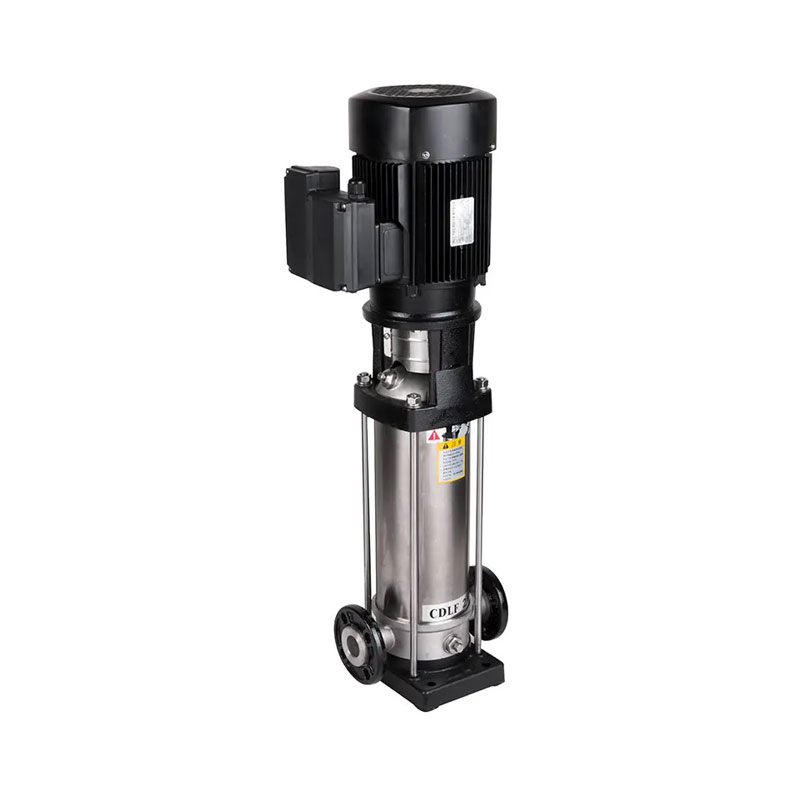
Choosing the right supplier is just as important as choosing the right centrifugal pump. A strong supplier does more than ship equipment. It helps reduce uncertainty before and after the sale.
Here is a simple comparison framework buyers can use:
| Evaluation Point | What Buyers Should Look For |
|---|---|
| Application understanding | Clear questions about flow, head, liquid, temperature, and operating environment |
| Product range | Enough design options to match different duties instead of forcing one standard model |
| Material guidance | Ability to explain why one material suits the liquid better than another |
| Technical communication | Direct, usable answers rather than vague marketing language |
| After-sales support | Accessible service communication and replacement part planning |
| Consistency | Stable quality, predictable documentation, and dependable production follow-through |
A buyer dealing with a serious project usually needs confidence, not just availability. That is why thoughtful communication matters. If a supplier can identify risks early, discuss suitable configurations, and answer practical questions with clarity, the purchasing process becomes much less risky.
FAQ
Is a centrifugal pump suitable for every liquid?
No. It is widely used for many clean or relatively manageable liquids, but liquid characteristics such as viscosity, corrosiveness, solids content, and temperature must be checked before selection.
What is the most common reason a pump underperforms?
Incorrect sizing is one of the most common causes. Many pumps are selected with incomplete system data, which leads to operation too far from the intended duty point.
Do buyers need to think about energy use at the purchasing stage?
Yes. Energy cost continues long after the purchase price is paid. A better-matched pump can reduce long-term operating expense significantly.
Can installation quality really affect pump life that much?
Absolutely. Poor suction piping, weak foundations, alignment issues, and trapped air can all shorten service life and create unstable performance.
How often should a centrifugal pump be maintained?
That depends on the application, duty cycle, liquid properties, and site conditions. A planned inspection routine is always better than waiting for failure.
Why do buyers ask for several pump configurations before ordering?
Because system conditions vary. One project may prioritize compact installation, another may require higher pressure, and another may need easier maintenance access.
What is the smartest next step for buyers?
If you are comparing pump options right now, the smartest move is not to start with the cheapest model or the broadest claim. Start with your actual operating conditions. Define the flow, head, liquid type, temperature, suction arrangement, and working schedule. Then compare which centrifugal pump design truly matches that duty instead of forcing your system to adapt to the wrong machine.
For buyers who want a more practical discussion, Shanghai Crowns Pump Manufacturing Co., Ltd. is a name worth including in the evaluation process. The right supplier should be able to discuss real application details, not just product labels. If you want to reduce uncertainty, improve selection accuracy, and move toward a pump solution that makes sense in daily operation, contact us and start the conversation with your project requirements.