
Article Summary
Choosing a Submersible Pump sounds simple until the real questions show up: Will it clog? Can it survive corrosive liquid? Is the flow rate enough for peak demand? Will maintenance become a headache after installation? This article breaks down the most common buyer concerns in clear language and explains how to compare pump structure, material, solids-handling ability, sealing reliability, installation conditions, and long-term operating costs. It is written for decision-makers who want fewer surprises after purchase and better results in sewage handling, industrial drainage, flood control, and wastewater transfer.
Table of Contents
- Article Outline
- Why a Submersible Pump Purchase Often Goes Wrong
- What Makes a Submersible Pump Useful in Real Projects
- Which Factors Matter Most Before You Buy
- How to Match Pump Type to the Liquid You Need to Move
- What Mistakes Cost Buyers Time and Money
- How to Reduce Downtime After Installation
- Why Supplier Support Matters More Than a Low Initial Price
- FAQ
Article Outline
- Understand the practical buying pain points behind a Submersible Pump decision.
- Review the performance features that affect reliability in wastewater and drainage work.
- Compare key selection factors such as head, flow, solids passage, material, and sealing.
- Learn when cutting, agitator, standard sewage, or corrosion-resistant models make more sense.
- See the most common buying mistakes and how to avoid them.
- Use a maintenance-focused approach to protect service life and project uptime.
- Evaluate supplier value beyond catalog claims and price.
Why a Submersible Pump Purchase Often Goes Wrong
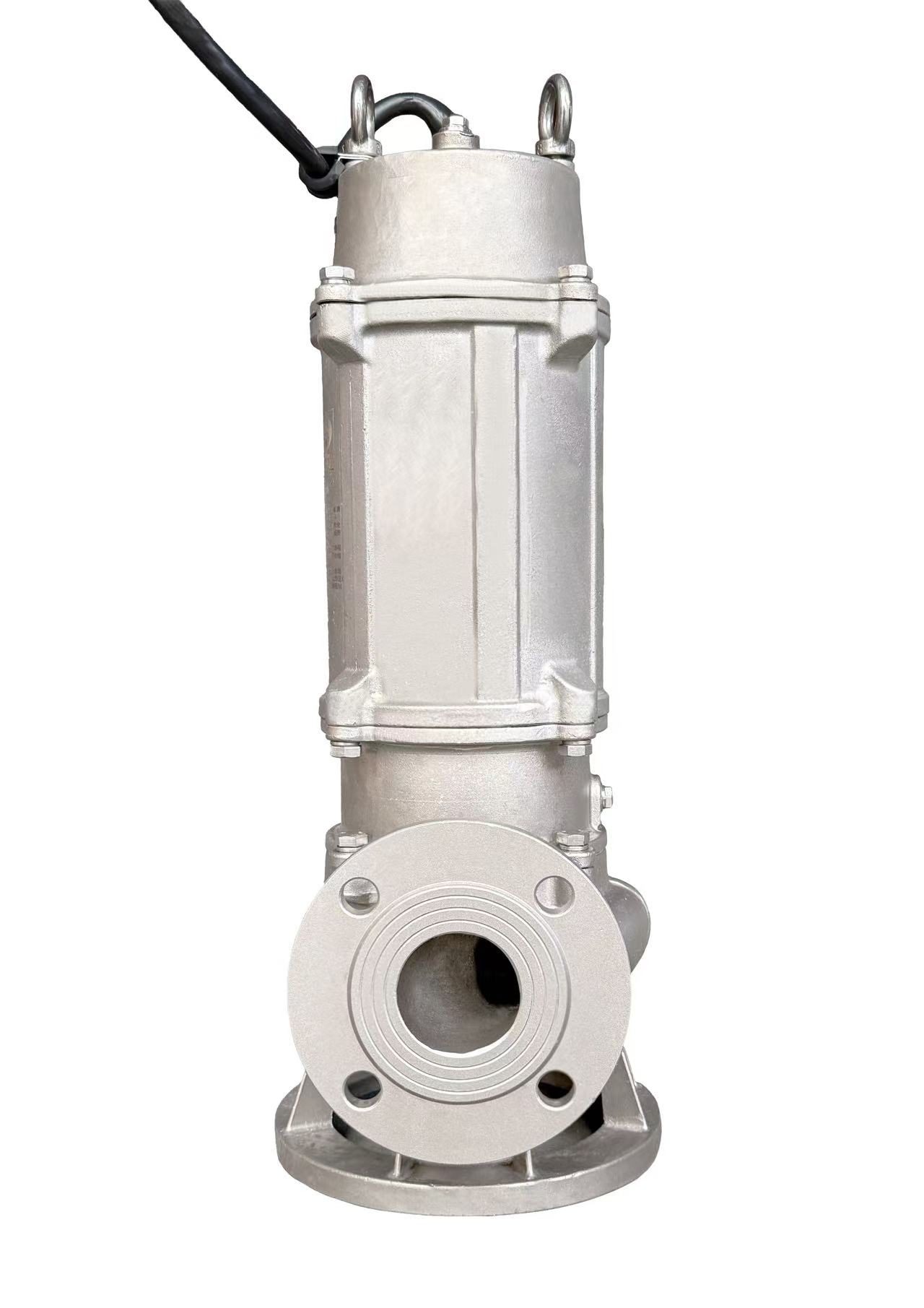
A buyer usually starts with one simple goal: move water from one place to another. But a Submersible Pump is rarely used in clean, predictable conditions. In actual projects, the liquid may contain sludge, fibrous waste, grit, corrosive chemicals, or sudden volume spikes after rain. That is where many purchases go off track.
I have seen the same pattern again and again. Someone compares only the power rating and price, places an order, installs the unit, and then runs into problems that were entirely avoidable. The pump may clog because the solids were larger than expected. The motor may overheat because duty conditions were not described clearly. The seals may fail early because the liquid chemistry was ignored. In some cases, the pump itself is technically sound, but the buyer chose the wrong configuration for the job.
That is why the right buying question is not simply “Which Submersible Pump is cheapest?” A better question is “Which pump will keep working in my exact environment without creating a maintenance problem every few weeks?”
The most expensive pump is often not the one with the highest purchase price. It is the one that forces repeated shutdowns, emergency labor, spare-part replacement, and avoidable site disruptions.
What Makes a Submersible Pump Useful in Real Projects
A Submersible Pump works underwater or directly inside the liquid being transferred, which brings several practical benefits. First, it saves installation space because the pump does not require a separate dry chamber in many applications. Second, because it is submerged during operation, priming issues are reduced. Third, it can be highly effective for sump drainage, sewage pits, construction dewatering, municipal wastewater handling, and emergency flood response.
But usefulness is not just about the basic operating principle. A well-chosen unit should also solve real operational pain:
- It should pass solids without frequent blockage.
- It should maintain stable performance during continuous or variable duty.
- It should resist corrosion when exposed to aggressive liquids.
- It should be serviceable without turning routine maintenance into a major event.
- It should match the site’s electrical, installation, and control requirements.
For buyers in wastewater, mining, industrial drainage, or flood-prone areas, these are not minor details. They are the difference between smooth operation and constant trouble calls.
Which Factors Matter Most Before You Buy
Before choosing a Submersible Pump, it helps to slow down and compare the factors that affect actual field performance, not just brochure appeal.
| Selection Factor | Why It Matters | What Buyers Should Check |
|---|---|---|
| Flow Rate | Determines how much liquid the pump can move in a given time. | Match it to average demand and peak demand, not only normal operation. |
| Head | Shows whether the pump can overcome elevation and system resistance. | Include pipe length, bends, valves, and discharge height in your calculation. |
| Solids Handling | Directly affects clogging risk in sewage and slurry applications. | Confirm maximum solids size, fibrous content, and whether cutting action is needed. |
| Material | Impacts corrosion resistance, wear life, and suitability for harsh liquids. | Choose cast iron, stainless steel, or other suitable material based on the medium. |
| Seal Reliability | Seal failure can stop the pump and damage the motor. | Review sealing design, operating temperature, and liquid compatibility. |
| Motor Duty | Affects whether the pump can handle intermittent or continuous use. | Clarify duty cycle, voltage, phase, and protection requirements before ordering. |
| Maintenance Access | Poor serviceability increases downtime and labor cost. | Ask how easy it is to inspect impellers, seals, cutters, and cable entry points. |
A smart buyer looks at these factors together rather than in isolation. A pump with high flow but poor solids passage may still fail in a sewage pit. A corrosion-resistant pump with insufficient head may look perfect on paper and disappoint immediately on site.
How to Match Pump Type to the Liquid You Need to Move
Not every Submersible Pump should be used the same way. The right structure depends heavily on what is inside the liquid and how the liquid behaves over time.
| Pump Type | Best Fit | Main Advantage |
|---|---|---|
| Standard Submersible Sewage Pump | General wastewater transfer and drainage | Balanced option for common sewage and site water removal |
| Cutting Submersible Pump | Liquid containing fibrous waste, cloth, debris, or stringy material | Reduces blockage by breaking waste into smaller pieces |
| Submersible Pump with Agitator | Sludge, sediment-heavy pits, slurry-like liquid | Keeps solids suspended and improves transfer consistency |
| Stainless Steel Submersible Pump | Corrosive or hygiene-sensitive applications | Better resistance in aggressive liquid environments |
This is exactly where many buying mistakes start. A buyer handling wastewater with rags or plastic fragments may choose a standard model and later wonder why clogging keeps happening. Another buyer working in sediment-heavy conditions may not consider an agitator-equipped design, then spend months fighting settled solids at the bottom of the pit.
The better approach is to describe the liquid honestly. Is it only water with light contamination? Is it raw sewage with fibrous waste? Is it abrasive slurry with heavy sediment? Is corrosion part of the daily operating reality? Once those answers are clear, the suitable Submersible Pump category becomes much easier to identify.
What Mistakes Cost Buyers Time and Money
Buyers do not usually fail because they ignore the pump entirely. They fail because they underestimate the application details. Here are the most common mistakes:
- Choosing by horsepower alone. Motor size matters, but it does not replace application matching.
- Ignoring the liquid composition. Solids, fibers, chemicals, and sediment all change the selection logic.
- Overlooking system head. A pump can look strong in a catalog and still underperform in a real pipeline.
- Buying too narrowly for present conditions. Seasonal peaks, sudden floods, and future load increases should be considered.
- Skipping service planning. No one enjoys learning maintenance limits only after installation.
- Focusing only on unit price. A lower price does not help if downtime becomes a recurring operating cost.
The best purchasing decisions often come from one habit: asking what can go wrong after installation, not just what looks acceptable before the order is placed.
How to Reduce Downtime After Installation
Even a well-matched Submersible Pump needs sensible maintenance planning. Reliability is not just built at the factory; it is protected in operation.
Here are practical ways to reduce downtime:
- Inspect the pit condition regularly instead of waiting for visible performance decline.
- Monitor current draw and unusual noise, since both can reveal developing trouble.
- Check cable entry points and seals during scheduled service intervals.
- Remove excessive debris before it becomes a blockage issue upstream or downstream.
- Keep spare wear parts available for critical-duty systems.
- Use the right control method for fluctuating liquid levels rather than relying on guesswork.
Maintenance becomes much easier when the original selection accounted for solids content, duty cycle, and liquid properties. In other words, most maintenance pain starts long before the first service visit. It starts at the buying stage.
Why Supplier Support Matters More Than a Low Initial Price
A dependable supplier does more than provide a catalog and a quotation. Good support means helping the buyer confirm the operating condition, identify hidden risks, and avoid under-specifying or over-specifying the unit.
That is why companies such as Shanghai Crowns Pump Manufacture Co., Ltd. are often evaluated not only by product range, but by how clearly they respond to real application questions. Buyers need more than a generic answer. They need honest guidance on whether a standard sewage model is enough, whether a cutter is necessary, whether sediment calls for an agitator, and whether the material choice is appropriate for the liquid.
This kind of support matters because pump selection is rarely a one-line decision. It involves site conditions, liquid characteristics, duty expectations, installation constraints, and long-term maintenance planning. When a supplier helps clarify those points early, the buyer is far less likely to pay for the same problem twice.
Conclusion
A good Submersible Pump is not simply a product on a list. It is a working answer to a very specific liquid-handling problem. When buyers take time to compare flow, head, solids passage, material, sealing, and service requirements, they make decisions with fewer surprises and better operating results.
If you are evaluating options for sewage transfer, industrial drainage, sediment-heavy pits, or flood-control applications, this is the right time to compare the details that truly affect performance. Contact us to discuss your project requirements and get help identifying a practical Submersible Pump solution that fits your working conditions, not just a catalog description.