
Why Is a PP Plastic Air-Operated Diaphragm Pump the Best Choice for Corrosive and Chemical Fluid Transfer
When handling corrosive chemicals, acids, alkalis, and abrasive liquids, selecting the right pumping solution is essential for operational safety and efficiency. The PP Plastic Air-Operated Diaphragm Pump has become one of the most trusted fluid transfer solutions across chemical processing, wastewater treatment, electroplating, mining, and manufacturing industries. As a professional pump manufacturer, Crowns provides high-quality PP Plastic Air-Operated Diaphragm Pumps designed for exceptional chemical resistance, reliable performance, and low maintenance requirements.
This guide explores how PP plastic diaphragm pumps work, their key advantages, applications, selection criteria, maintenance tips, and why they are often preferred over conventional pumping technologies.
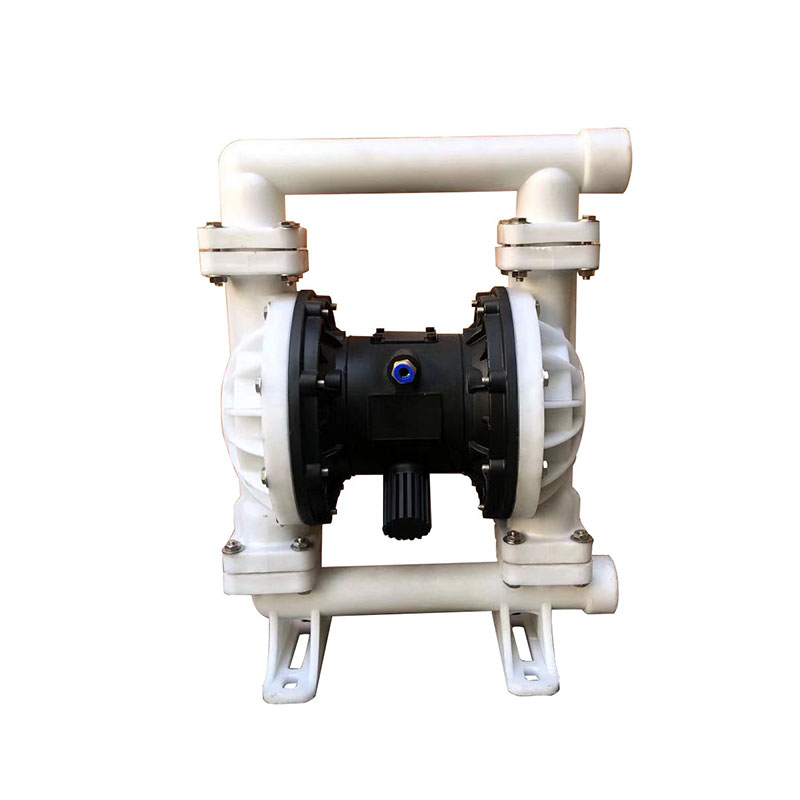
Table of Contents
- What Is a PP Plastic Air-Operated Diaphragm Pump?
- How Does It Work?
- Major Benefits of PP Plastic Air-Operated Diaphragm Pumps
- PP Plastic vs Metal Diaphragm Pumps
- Industrial Applications
- How to Choose the Right Pump
- Maintenance Best Practices
- Future Trends in Diaphragm Pump Technology
- Frequently Asked Questions
- Conclusion
What Is a PP Plastic Air-Operated Diaphragm Pump?
A PP Plastic Air-Operated Diaphragm Pump (AODD Pump) is a positive displacement pump powered by compressed air. The pump body is manufactured from polypropylene (PP), a highly chemical-resistant thermoplastic material capable of handling aggressive fluids without corrosion.
Unlike centrifugal pumps that rely on rotating impellers, diaphragm pumps utilize flexible diaphragms and check valves to move liquids efficiently. Because no electric motor is required, these pumps are particularly suitable for hazardous and explosive environments.
| Feature | Description |
|---|---|
| Material | Polypropylene (PP) |
| Drive Type | Compressed Air |
| Pumping Method | Positive Displacement |
| Self-Priming | Yes |
| Dry Running Capability | Yes |
| Chemical Resistance | Excellent |
How Does It Work?
The operating principle of a PP Plastic Air-Operated Diaphragm Pump is relatively simple but highly effective.
- Compressed air enters one air chamber.
- The diaphragm moves outward, creating suction.
- Fluid enters through the inlet check valve.
- Air pressure switches to the opposite chamber.
- The diaphragm pushes fluid toward the discharge outlet.
- The cycle repeats continuously.
This reciprocating motion creates a steady flow capable of handling low-viscosity liquids, highly viscous fluids, slurries, and even fluids containing suspended solids.
Major Benefits of PP Plastic Air-Operated Diaphragm Pumps
Excellent Chemical Resistance
Polypropylene offers outstanding resistance to numerous aggressive chemicals, including sulfuric acid, hydrochloric acid, sodium hydroxide, and many industrial solvents.
Self-Priming Capability
The pump can automatically evacuate air from suction lines, allowing efficient startup even when the pump is installed above the liquid source.
Dry Running Protection
Unlike many conventional pumps, diaphragm pumps can operate without liquid for short periods without suffering damage.
Explosion-Proof Operation
Since compressed air powers the pump, no electrical sparks are generated, making it ideal for hazardous environments.
Low Maintenance Costs
The simple internal structure reduces wear and minimizes downtime.
Versatile Fluid Handling
- Corrosive chemicals
- Acids
- Alkaline solutions
- Wastewater
- Paints
- Adhesives
- Slurries
- Food-grade liquids
PP Plastic vs Metal Diaphragm Pumps
| Criteria | PP Plastic Pump | Metal Pump |
|---|---|---|
| Chemical Resistance | Excellent | Moderate |
| Corrosion Resistance | Very High | May Corrode |
| Weight | Lightweight | Heavy |
| Cost | Economical | Higher |
| Temperature Resistance | Medium | High |
| Suitable for Acids | Excellent | Depends on Alloy |
For most chemical transfer applications involving corrosive liquids, polypropylene diaphragm pumps provide the best balance between performance, durability, and cost-effectiveness.
Industrial Applications
PP Plastic Air-Operated Diaphragm Pumps are widely used across numerous industries.
Chemical Processing
- Acid transfer
- Alkali handling
- Chemical dosing
- Solvent transportation
Water and Wastewater Treatment
- Chemical injection
- Sludge transfer
- Wastewater circulation
- Neutralization systems
Electroplating Industry
- Acid circulation
- Chemical bath transfer
- Plating solution movement
Mining Industry
- Abrasive slurry handling
- Tailings transfer
- Chemical transport
Paint and Coating Industry
- Paint transfer
- Resin handling
- Coating circulation
How to Choose the Right Pump
Several factors should be considered when selecting a PP Plastic Air-Operated Diaphragm Pump.
| Selection Factor | Importance |
|---|---|
| Flow Rate | Determines production efficiency |
| Discharge Pressure | Ensures system compatibility |
| Chemical Compatibility | Protects pump components |
| Viscosity | Affects pumping performance |
| Solid Content | Determines valve configuration |
| Temperature | Influences material selection |
Always verify diaphragm materials, valve seat materials, and operating conditions before making a purchasing decision.
Maintenance Best Practices
Proper maintenance significantly extends pump lifespan and ensures consistent performance.
Recommended Maintenance Checklist
- Inspect diaphragms regularly.
- Check valve balls and valve seats.
- Monitor compressed air quality.
- Clean internal chambers periodically.
- Replace worn seals promptly.
- Verify proper air pressure settings.
Preventive maintenance can reduce unexpected failures and improve operational reliability.
Future Trends in Diaphragm Pump Technology
As industrial processes become increasingly automated, diaphragm pump technology continues to evolve. Modern designs now feature:
- Higher energy efficiency
- Improved diaphragm materials
- Enhanced wear resistance
- Smart monitoring systems
- Predictive maintenance integration
- Reduced compressed air consumption
Manufacturers are focusing on sustainability, operational efficiency, and digital integration to meet the growing demands of Industry 4.0 environments.
Frequently Asked Questions
Can a PP Plastic Air-Operated Diaphragm Pump handle corrosive chemicals?
Yes. Polypropylene offers excellent resistance to a wide range of acids, alkalis, and industrial chemicals, making it ideal for corrosive fluid transfer.
Does the pump require electricity?
No. The pump operates entirely on compressed air, eliminating the need for electrical power.
Can the pump run dry?
Yes. One of the key advantages of air-operated diaphragm pumps is their ability to tolerate dry running without severe damage.
What industries commonly use these pumps?
Chemical processing, wastewater treatment, electroplating, mining, paint manufacturing, pharmaceuticals, and food processing industries commonly use these pumps.
How often should diaphragms be replaced?
Replacement intervals depend on operating conditions, chemical exposure, and duty cycles. Routine inspections help determine the optimal replacement schedule.
Why choose polypropylene over metal?
Polypropylene provides superior corrosion resistance, lower weight, and lower overall ownership costs for many chemical applications.
Conclusion
The PP Plastic Air-Operated Diaphragm Pump remains one of the most reliable and versatile solutions for transferring corrosive, abrasive, and chemically aggressive fluids. Its self-priming capability, dry-run protection, excellent chemical resistance, explosion-proof operation, and low maintenance requirements make it a preferred choice across multiple industries. Whether used in chemical processing plants, wastewater treatment facilities, mining operations, or electroplating systems, these pumps consistently deliver dependable performance while reducing operational risks and maintenance costs.
If you are looking for a high-performance PP Plastic Air-Operated Diaphragm Pump tailored to your specific application requirements, Crowns offers professional solutions backed by industry expertise and reliable manufacturing standards. Contact us today to discuss your fluid handling challenges, receive expert technical guidance, and discover the ideal pumping solution for your business.