
Industry News
How Far Can A Sewage Pump Push Water Horizontally
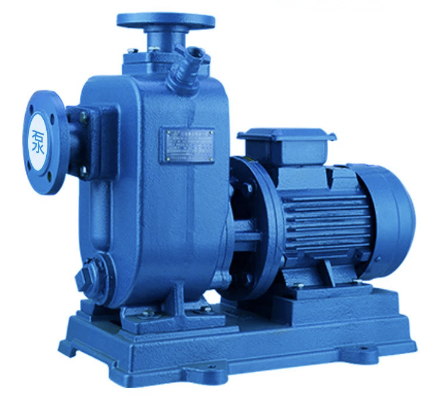
Brief Introduction "How far can a sewage pump push water horizontally?" is one of the most frequently asked questions by homeowners, contractors, and engineers alike. While many expect a simple number, the answer is far more nuanced—it depends on total dynamic head, pipe friction, diameter, and fit......
Read More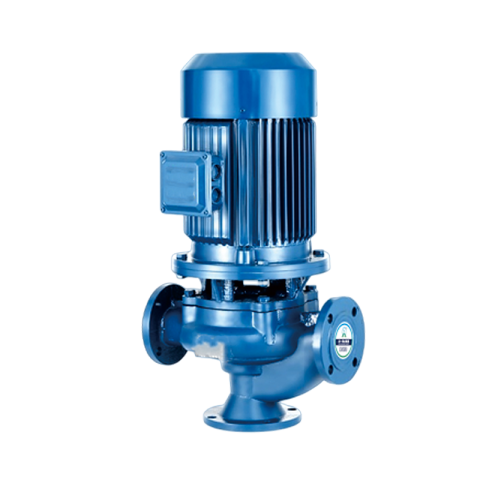
Why Would A House Have A Sewage Pump?
If you've ever wondered why some homes have sewage pumps while others don't, you're not alone. Many homeowners are surprised to learn that gravity doesn't always do the job when it comes to moving wastewater out of the house. This article explains the most common reasons homes need sewage pumps—from......
Read More
Municipal Sewage Pump Sizing And Selection: Essential Factors for Reliability
Selecting and sizing municipal sewage pumps correctly is one of the most critical decisions in wastewater infrastructure design. A poorly matched pump leads to frequent breakdowns, high energy costs, and even environmental contamination from overflow events. This guide breaks down the essential fact......
Read More
How Does A Vertical Pump Work?
Vertical pumps are centrifugal pumping devices with a vertically mounted shaft, engineered to move fluids efficiently in applications where space is constrained or deep fluid access is required. Widely used across water supply, agriculture, energy, and manufacturing sectors, these pumps leverage cen......
Read More
What Is The Difference between Vertical Inline Pump And Centrifugal Pump?
Vertical inline pumps are essentially a specialized branch of centrifugal pumps, both relying on the centrifugal force generated by rotating impellers to transport fluids. The main difference lies in installation configuration: vertical inline pumps feature an in-line design with inlet and outlet al......
Read More
Why Is the CQ Series Magnetic Drive Pump the Preferred Solution for Safe and Leak-Free Chemical Transfer
In modern industrial fluid handling systems, safety, efficiency, and environmental protection are critical considerations. The CQ series magnetic drive pump has become a preferred choice across chemical processing, electroplating, pharmaceuticals, water treatment, and other industries due to its com......
Read More